
According to TCC’s health professional partners and advisers, short supply of blood and blood products is due to lack of voluntary blood donors. Large portion of the public, according to them, are not well informed about the importance of blood donation.
To initially give light to such misconceptions, Ms Lyka Delmas Bagano, Medical Laboratory Technologist at Red Cross, wants to share this info from Red Cross about facts on Blood Donation:
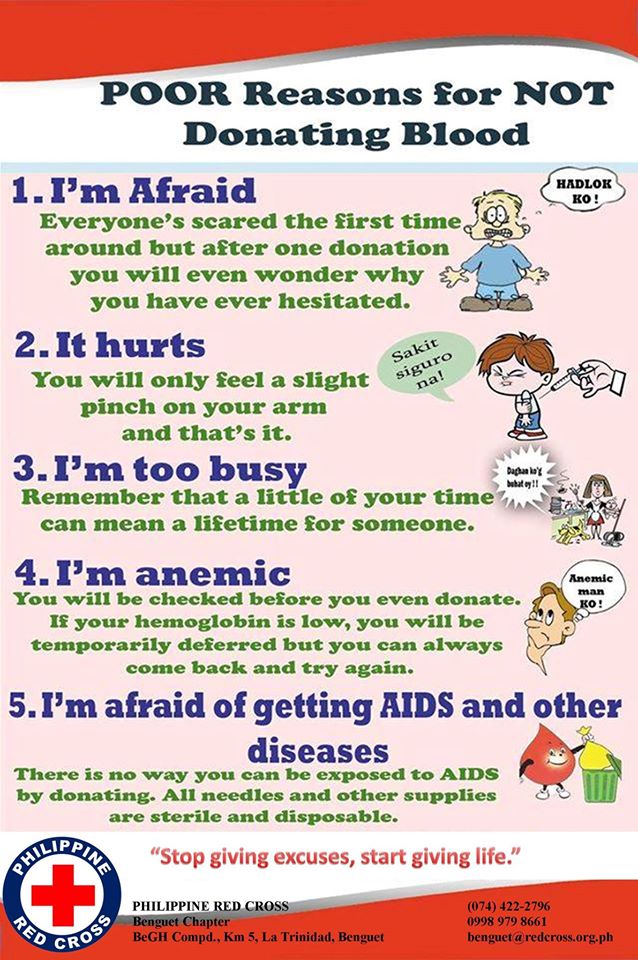
“There is always a need for blood donors. Modern medical care, including surgery and medical treatment for many diseases, is not possible without the use of blood products. A shortage of blood products means that someone may not get prompt, adequate care.”
Excuses never save a life, Blood Donation does”.
Ms Fei Paas, another Medical Technologist, one of the initiator of this project, shares her following professional notes too:
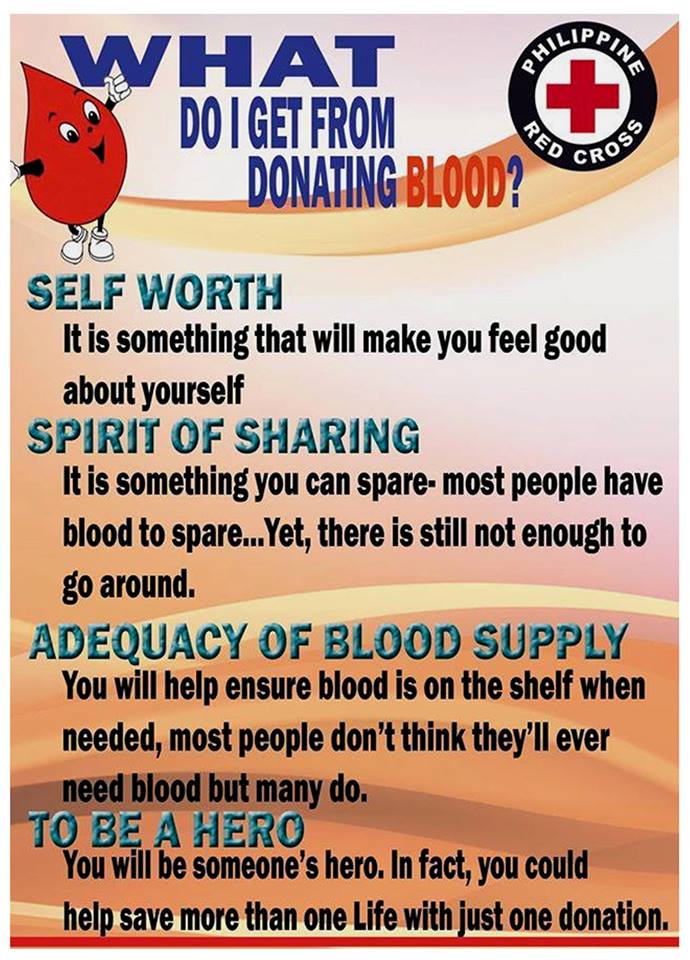
BENEFITS OF BLOOD DONATION TO THE DONORS
1. IMPROVES CARDIOVASCULAR HEALTH– Blood donation helps in lowering blood viscosity, thus, promoting better blood flow decreasing the chance of heart attack and lowers the risk of severe cardiovascular events like stroke.
2. REDUCES THE RISK OF CANCER AND OTHER SEVERE ILLNESSES – Blood donation balances Iron levels in the blood, thus, decreasing free-radical damage linked to excess Iron levels in the body and in turn decreases the risk of cancer, type 1 diabetes, cardiac arrhythmias, Alzheimer’s dse., etc.
3. WEIGHT MANAGEMENT – for every pint of blood given, 650 calories are burned. Combined with healthy living, the body can achieve a better fit.
4. HEALTHY BODY AND GLOWING SKIN – bloodletting allows the production of new blood cells. Replenishment of blood will refresh the circulatory system and in the process, all the other systems in the body. This improves oxygenation of blood and the body’s cells, the removal of toxins and improves all metabolic processes, giving you a healthy glow.
5. FREE MINI-PHYSICAL HEALTH CHECK-UP – prior to bloodletting, donors are given a physical health examination – checking of blood pressure, pulse rate, temperature, haemoglobin levels, and blood type – to see if they are fit to donate.
6. FREE BLOOD EXAMINATION – Blood units are tested for blood transmitted diseases like HIV 1/2, syphilis, Hepatitis virus, and malaria. If the unit will turn out reactive to one of these tests, the donor will be informed for early treatment.
7. FREE STUFF – Sometimes, give-aways are given to donors as appreciation, but bear in mind that this doesn’t happen all the time.
8. PSYCHOLOGICAL SATISFACTION – donating your blood is a noble cause. There’s nothing that beats the sense of accomplishment/achievement that comes with the joy of saving lives. You may deem yourself as ordinary but to somebody else, you’re a hero.
BENEFITS/EFFECT OF BLOOD DONATION TO THE GENERAL POPULATION
1. A unit of blood transfused may give someone a second chance at life. Take note, one unit of blood can save one up to three lives.
2. Regular blood donation will ensure a healthy, reliable, adequate, and safe supply of blood in the blood bank. With more donors, blood will be readily available when needed. This cuts-off or lessens the stress put upon family members of the patient in finding an immediate donor.
3. Blood transfusions are used to support various therapies. So your blood can help someone live a healthy/normal or near to normal life (i.e. persons undergoing dialysis or chemotherapy).
SOME MISCONCEPTIONS ABOUT BLOOD DONATION
1. There are others who are donating. According to the PNRC, supply of blood is lesser than the demand; hence, some patients were not catered to. Even if there are others who are donating, it is still not enough. Besides, it is better to have a little extra than to have shortage.
2. My blood isn’t the right type. All blood types are needed.
3. I don’t have enough to spare. A healthy Individual will always have enough to spare. Besides, prior to bloodletting, you will be examined if you are fit to donate.
4. It will hurt. Yes, it will hurt a bit, like a pinching sensation, but what is that compared to the one who will be saved by it.
5. They will sell my blood to the recipient. This is one of the most common misconceptions about blood donation. The fee collected from the patient is actually for the compensation of the screening and processing of the blood product NOT payment for the blood. However, once you’ve utilized a blood, you have to replace it with a donor to maintain the supply of blood.
6. I might extract a disease due to blood donation. This is not possible unless you already have an underlying illness. Materials used for bloodletting are all disposable and used by one person only eradicating the possibility of transmitted diseases.
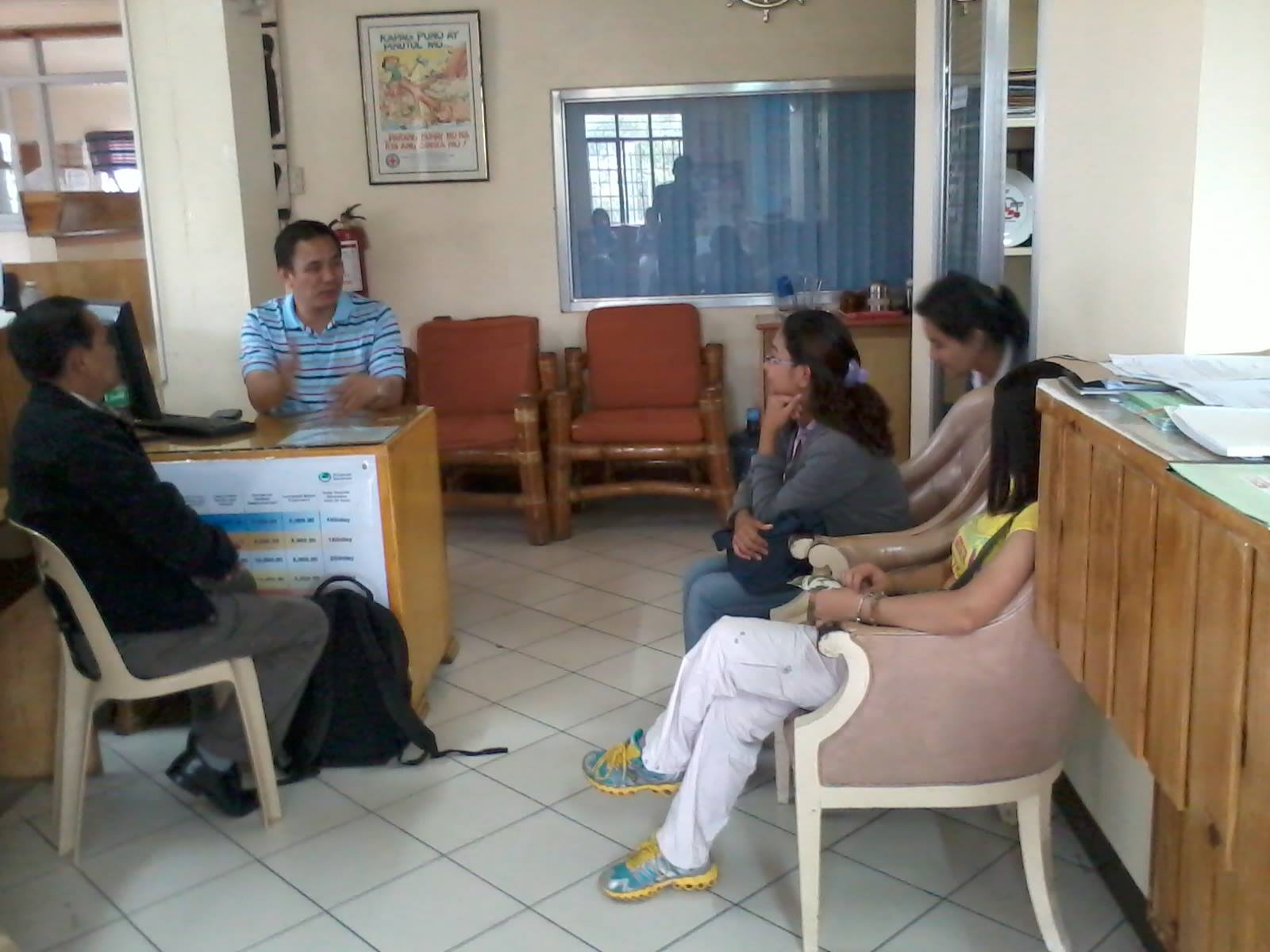
In response to the short supply of blood and blood component to patients needing blood transfusion within the Cordillera Region, The Cordillera Connection (TCC) is creating partnership with Red Cross-Benguet Chapter (soon to work out partnership with Red Cross-Baguio) in order to help increase reserves of this patient’s basic commodity in the blood bank. TCC sees this as an additional assistance to its beneficiaries who are regulary in need of blood transfusion.
 THE CORDILLERA CONNECTION